
Research
Why Hepatoblastoma
research matters.
Hepatoblastoma is a rare pediatric liver cancer. Because it is rare, childhood cancer research funding and treatment options are limited compared with more common cancers. Addie’s Research helps advance promising research toward better, less toxic treatment options for children.
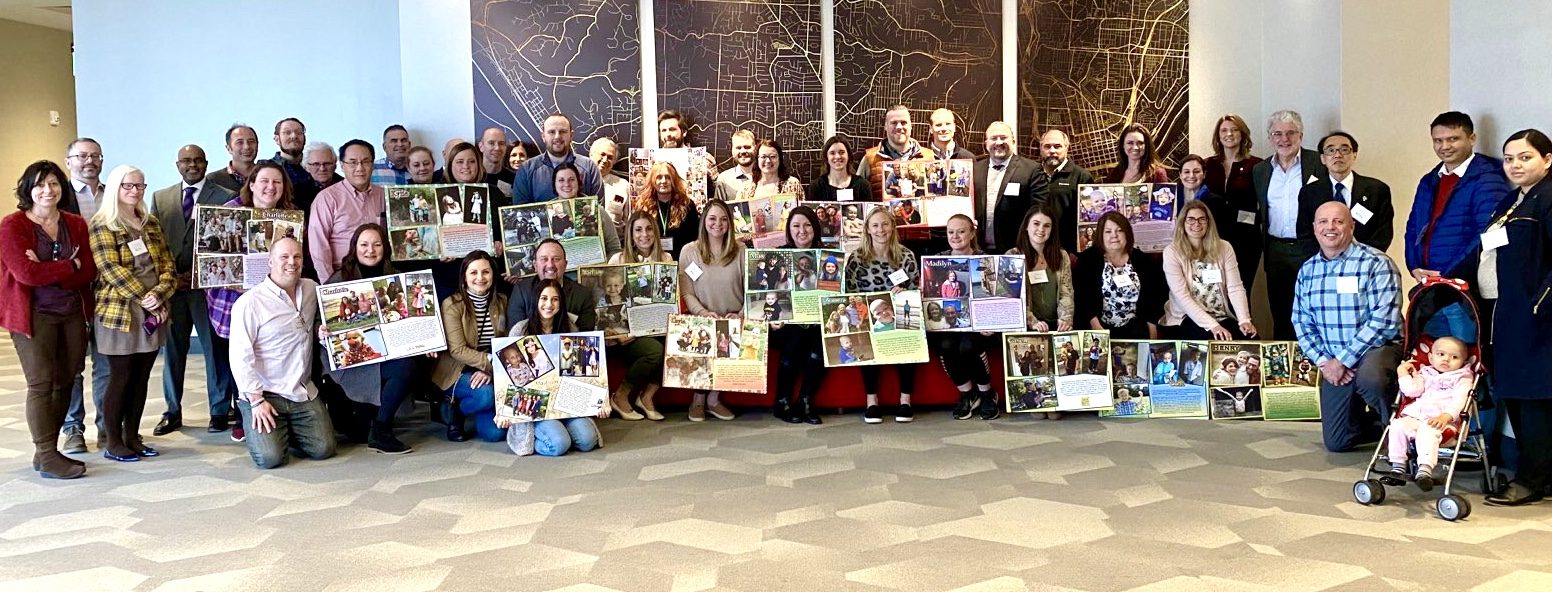
How we fund childhood cancer research
Credible partners. Promising science.
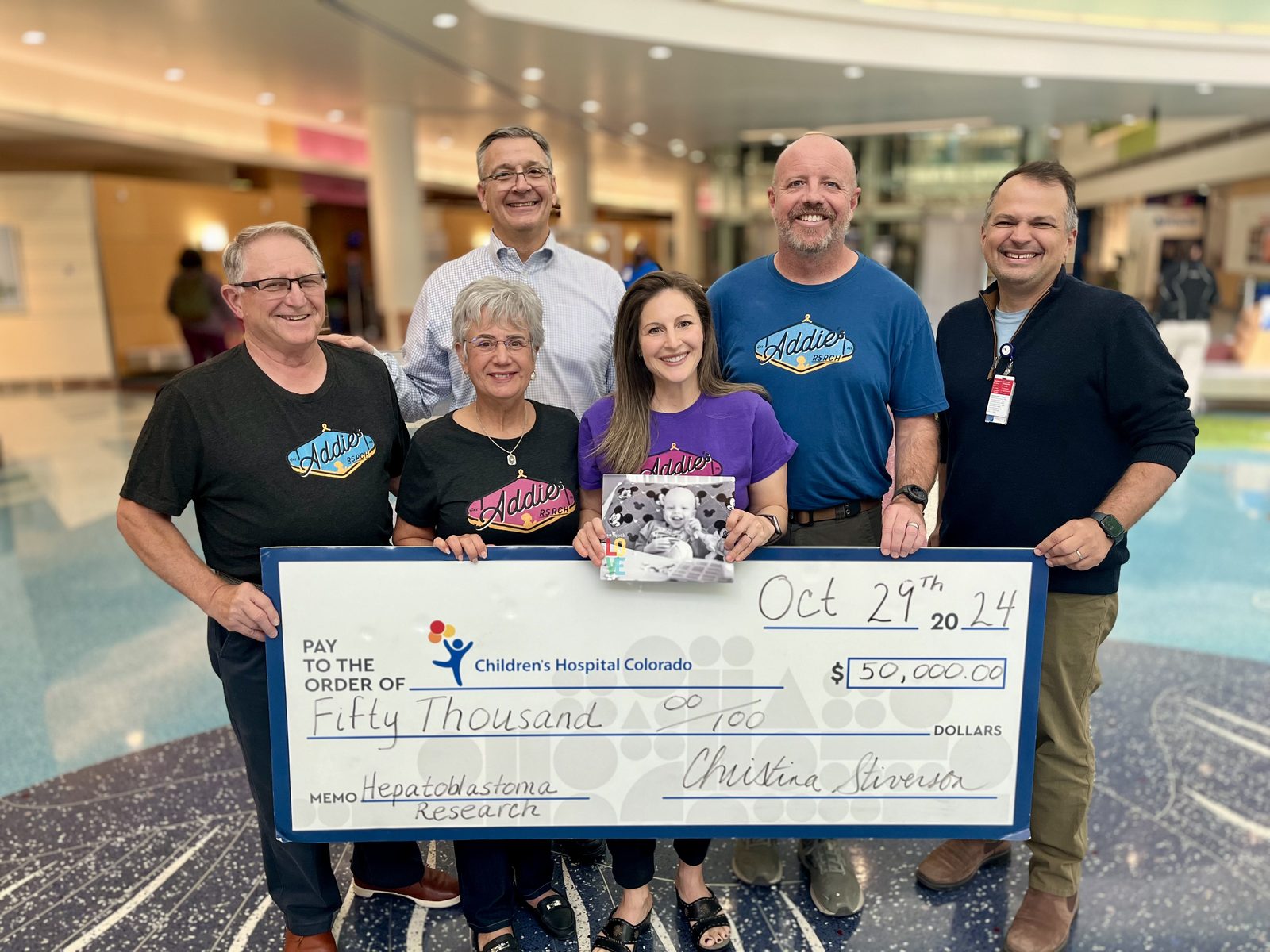
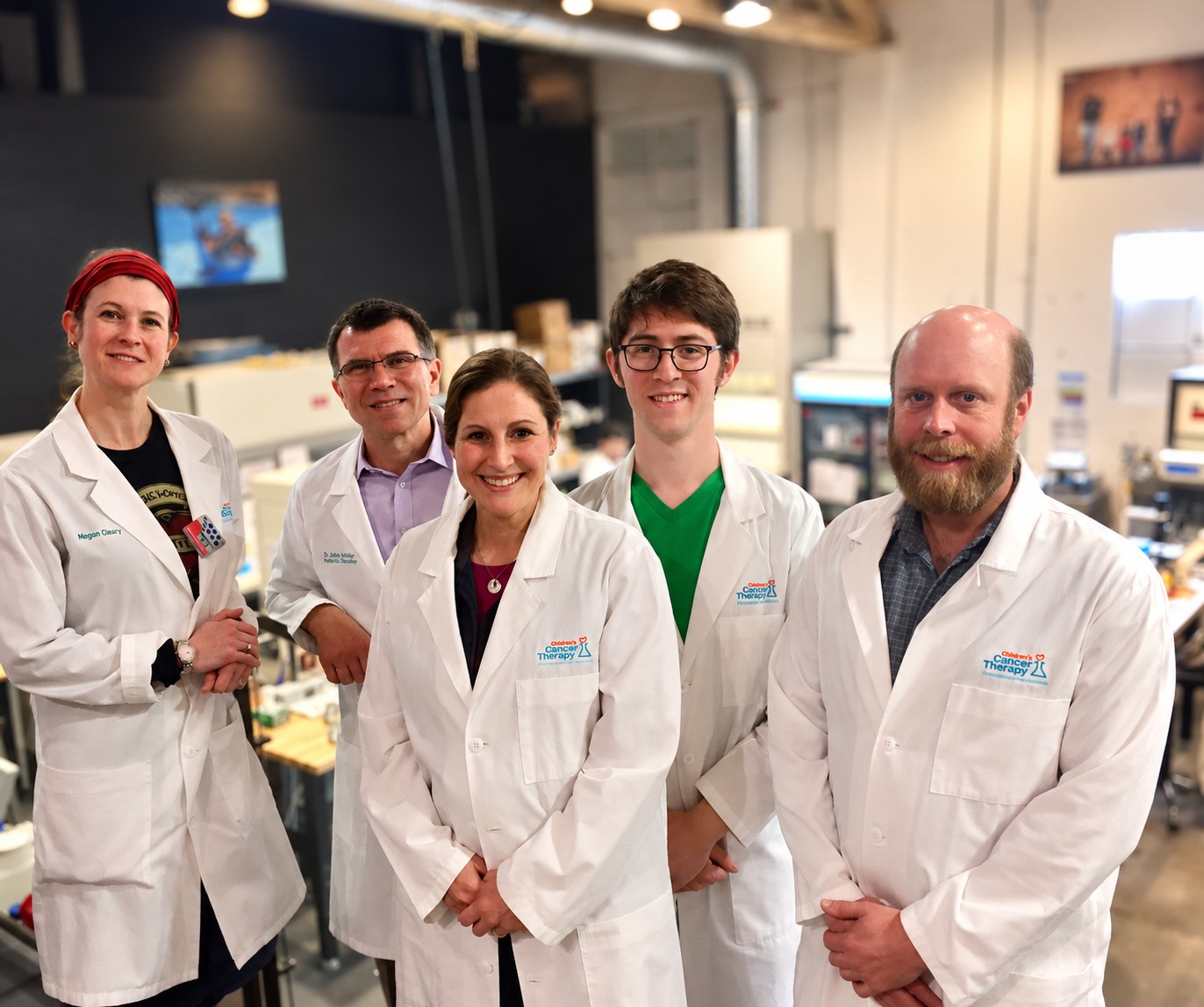
Funding decisions are made by the Addie’s Research board.
We direct funding for pediatric cancer research to credible partners and promising preclinical work,
with particular interest in research that has the potential to move toward clinical trials and ultimately create new treatment options for children.
10 years of research, by the numbers
$985K+
raised for Hepatoblastoma research
18
countries connected globally
10
research and industry partners worldwide
6
published papers supported by funded research
Research timeline
Our research journey: 2017 to today
What began with Addie’s story and one research partnership has grown into a community of researchers, clinicians, families, and organizations working toward better Hepatoblastoma treatment options for children. Explore the milestones and partnerships that have moved this work forward.
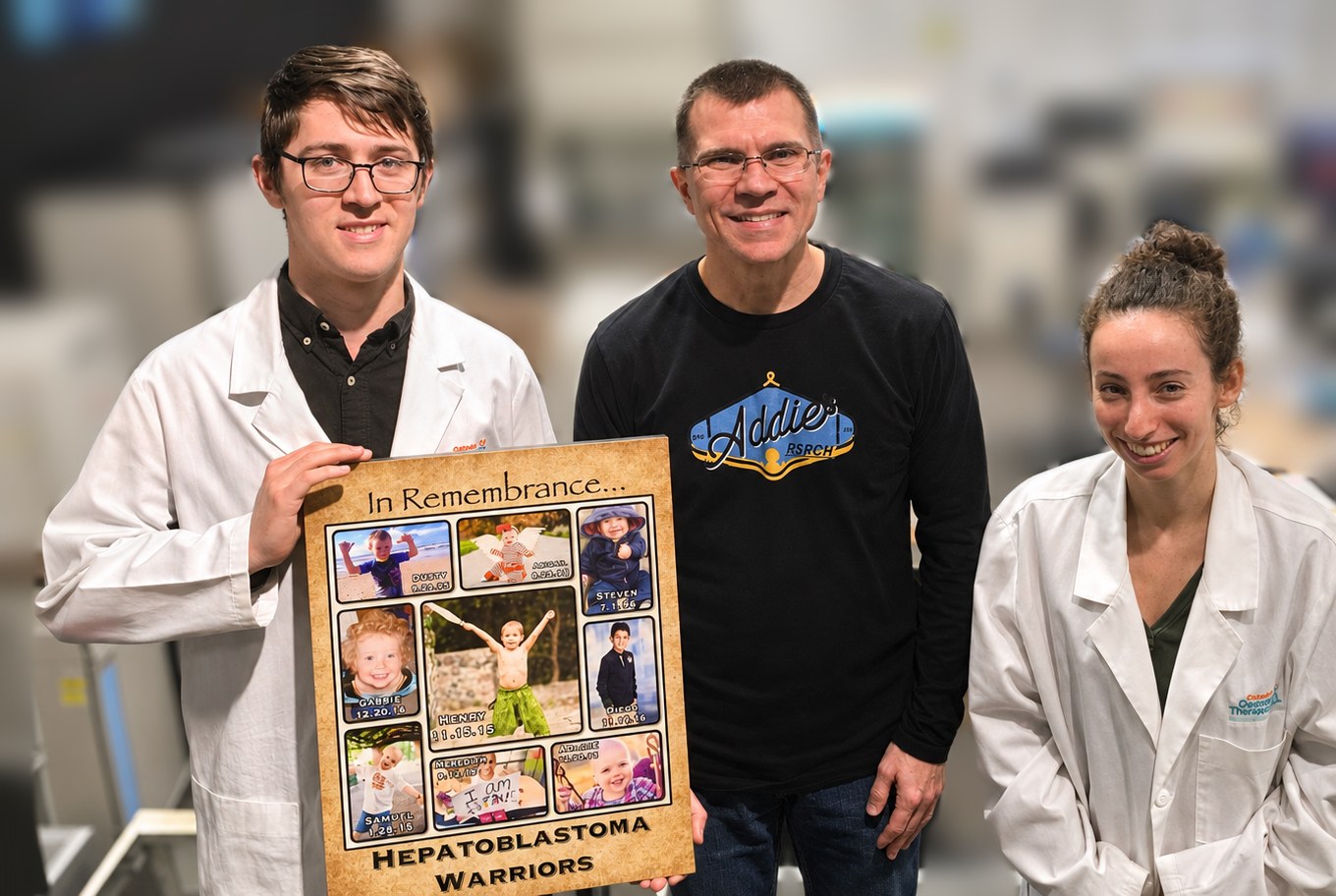
What began with Addie’s story and one research partnership has grown into a community of researchers, clinicians, families, and organizations working toward better Hepatoblastoma treatment options for children. Explore the milestones and partnerships that have moved this work forward.
2026
Research is reaching patients, and families
CAR T-cell research is moving closer to patients, with an FDA-cleared clinical trial at Children’s Hospital Colorado preparing to include children with Hepatoblastoma. Our mission also expanded through a partnership with Momcology to support pediatric cancer families.
 Children’s Hospital Colorado
 Momcology
2025
Building a global community
Families, researchers, and clinicians came together in San Francisco for the Hepatoblastoma Community Conference and International Pediatric Liver Tumor Research Meeting, sharing research and keeping family voices part of the work.
 UCSF Benioff Children’s Hospitals
 Eureka Therapeutics
 Hepatoblastoma Resource Network
2024
A new direction: CAR T-cell therapy
We partnered with Children’s Hospital Colorado to help fund pre-clinical CAR T-cell research for Hepatoblastoma, an entirely new approach to treating this disease, and celebrated progress toward clinical trials for volasertib.
 Oncoheroes Biosciences
2023
Research becomes published science
Years of collaboration led to published findings exploring potential cells of origin for Hepatoblastoma, and the new therapies they may point toward.
 cc-TDI
 Vitalant Research InstituteFrontiers in Oncology publication
2022
Expanding the search
Our research partnerships expanded internationally as we invested in new approaches to understanding and treating high-risk Hepatoblastoma, including work in France and continued efforts to advance volasertib.
 Bordeaux Institute of Oncology
2021
Connecting a global community
More than 130 people from 18 countries came together virtually around one shared goal: improving outcomes for children with Hepatoblastoma. The Parent Connection also launched to support families.
2020
Collaboration changes everything
The Hepatoblastoma community came together for its first global community conference, connecting families with the researchers and clinicians working to develop better treatments.
 Cincinnati Children’s
2019
From the lab to published research
Research we helped support reached an important milestone with a scientific publication, while work continued toward a treatment option specifically for children with Hepatoblastoma. The Hepatoblastoma Resource Network also launched.
2018
Searching for better treatments
Our partnership with cc-TDI deepened as researchers tested potential drugs specifically against Hepatoblastoma cell lines, and families and experts came together to accelerate progress for relapsed and refractory disease.
2017
Where it started
We walked into a research lab carrying questions born from Addie’s experience, and saw where her donated tumor tissue was being preserved for research. That year began our partnership with cc-TDI.
Publications
Published research supported by Foundation for Addie’s Research
Oncology and Hepatoblastoma publications identified through 2026.
EZH2 is a key prognostic marker and therapeutic target in aggressive and proliferative hepatoblastoma
Identifies EZH2 as a prognostic marker and therapeutic target in aggressive and proliferative Hepatoblastoma; examines tumor growth and cisplatin resistance and evaluates EZH2 inhibition with statins as a potential therapeutic strategy.
Design of a Neonatal Orthotopic Metastatic Xenograft Model of Hepatoblastoma in Mice
Development of a neonatal orthotopic mouse xenograft model designed to study metastatic Hepatoblastoma.
Unfolded Protein Response Signaling in Liver Disorders: A 2023 Updated Review
Review of unfolded protein response signaling in liver disorders and liver cancer biology; acknowledges Foundation-supported research.
CD203c is expressed by human fetal hepatoblasts and distinguishes subsets of hepatoblastoma
Study of fetal hepatoblast biology and Hepatoblastoma subsets, with implications for the developmental origins and biology of Hepatoblastoma.
Preclinical therapeutics ex ovo quail eggs as a biomimetic automation-ready xenograft platform
Development of an ex ovo quail-egg xenograft platform for preclinical cancer drug testing, including Hepatoblastoma models.
Volasertib preclinical activity in high-risk hepatoblastoma
Preclinical evaluation of the PLK1 inhibitor volasertib in high-risk Hepatoblastoma, including patient-derived models.
Our research and community partners
Questions families ask
Understanding Hepatoblastoma
Answers here are educational, not medical advice. Please talk with your child’s care team about treatment decisions.
What is Hepatoblastoma?
Hepatoblastoma is the most common type of liver cancer in children, although it is still rare. It usually affects very young children, most often before age 3, and it is the most common form of liver cancer in newborns and infants. Diagnosis and treatment planning may include AFP blood testing, imaging, pathology, and staging to understand where the tumor is located and whether it can be safely removed.
Learn more in our Hepatoblastoma treatment and research guide, or from the Hepatoblastoma Resource Network and the National Cancer Institute.
How rare is Hepatoblastoma?
Hepatoblastoma is a rare childhood cancer even though it is the most common liver cancer in children. Because individual hospitals may see relatively few cases, families may benefit from care or consultation with teams experienced in pediatric liver tumors.
The Hepatoblastoma Resource Network can help families connect with experienced teams.
How is Hepatoblastoma treated?
Treatment usually combines chemotherapy with complete surgical removal of the tumor when possible. Some children receive chemotherapy before surgery, and liver transplant may be considered in selected cases when the tumor cannot be safely removed with conventional surgery. Treatment depends on the child’s risk group, extent of disease, and response to therapy.
Read more about treatment options in our Hepatoblastoma guide.
Why are new and less-toxic treatments needed?
Treatments such as cisplatin have helped cure many children with Hepatoblastoma, but they can also cause serious short- and long-term side effects. Research is needed both to create new options for high-risk, relapsed, or treatment-resistant disease and to reduce unnecessary toxicity for children who can be cured with less treatment.
Read why it matters in our Hepatoblastoma guide, and see how FAR-supported research is working toward better options in our Research Journey.
What happens when Hepatoblastoma relapses?
Relapse means the cancer has returned or progressed after treatment. There is no single approach that fits every child. Depending on prior therapy and where the disease is found, options may include additional chemotherapy, surgery, transplant in carefully selected situations, or a clinical trial. A second opinion from a pediatric liver tumor program may also be useful.
Learn more about relapse in our Hepatoblastoma guide, and find family resources through the Hepatoblastoma Resource Network.
How does preclinical research move toward a clinical trial?
Preclinical research tests an idea before it is studied in people. Researchers investigate tumor biology, potential targets, laboratory models, dosing, and safety. Promising work must then move through regulatory and trial-development steps before an experimental therapy can be tested in children.
See each step in our Hepatoblastoma guide, and an example in our 2024 CAR T-cell research milestone.
What Hepatoblastoma research has Addie’s Research helped fund?
Since 2017, FAR has helped support Hepatoblastoma research across multiple stages of development, from laboratory studies and drug testing to research partnerships working toward clinical translation. The Research Journey shows what FAR supported, what researchers learned, and what happened next.
Explore the full Research Journey.
How can families find Hepatoblastoma experts, treatment resources, and support?
The Hepatoblastoma Resource Network is a strong place to start for trusted information, family resources, community connection, and help navigating a rare diagnosis. Families can also ask their child’s oncology team whether consultation with a pediatric liver tumor program would be useful.
Visit the Hepatoblastoma Resource Network, or see selected pediatric liver tumor programs in our Hepatoblastoma guide.
News & stories
The latest from Addie’s Research
- Early Signs of Cancer in Children: What Parents Should Know
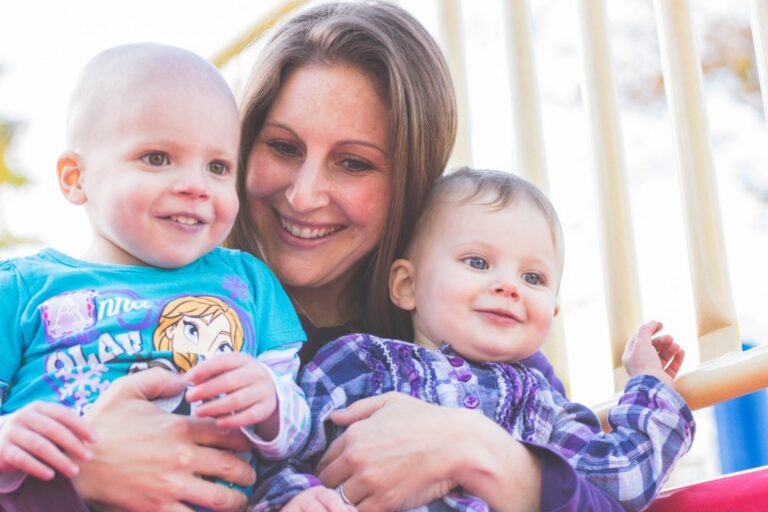 The early signs of cancer in kids often look like ordinary illness. A mother’s story, the symptoms worth a closer look, and when to ask more questions.
- Why Is Childhood Liver Cancer Rising? What We Know About Hepatoblastoma
 Hepatoblastoma rates have nearly tripled in the United States. What researchers know about childhood liver cancer, its causes and survival, and why research still matters.
- Hepatoblastoma Treatment, Relapse, and Research
 A family-friendly guide to Hepatoblastoma treatment, relapse, side effects, and how research moves from lab work to Hepatoblastoma clinical trials.

Give Hope
Fund the next step.
Your gift advances Hepatoblastoma research and helps sustain trusted resources and compassionate support for pediatric cancer families.