
Research Reaches Publication
By 2019, the research partnership that began at cc-TDI had moved from questions and drug screening to published science. In November, researchers published “Volasertib preclinical activity in high-risk Hepatoblastoma” in Oncotarget. The study evaluated volasertib, a PLK1 inhibitor, in laboratory models of high-risk Hepatoblastoma and reported activity that supported continued investigation.
The paper represented more than a publication milestone for FAR. Christina and Cody Stiverson were among the paper’s authors, reflecting the unusual level of parent participation that had helped shape and support the work. The larger research team included Dina Kats, Dr. Charles Keller, Dr. Stefano Cairo, Dr. James Geller and collaborators across multiple institutions.
For a family-founded organization, seeing years of grassroots fundraising and direct involvement become peer-reviewed science was powerful validation. It also reinforced FAR’s belief that small foundations can have meaningful influence when they fund strategically and work alongside scientists who are willing to collaborate.
Creating a Place Families Could Trust
Research was only one part of the problem families faced. During Addie’s treatment, the Stiversons had struggled to find one credible place that brought together specialized information about Hepatoblastoma, research, treatment considerations, experts and family support.
In 2019, they launched the Hepatoblastoma Resource Network (HRN) at Hepatoblastoma.org. The goal was practical: make it easier for families facing a rare diagnosis to find credible information and connect with the clinicians, researchers and other parents who understood the disease.
HRN also created a bridge between groups that too often operate separately. Families could learn what researchers were studying. Researchers and clinicians could hear directly from families about unmet needs. Parent advocates could help connect people and ideas across institutions.
From a Website to a Community
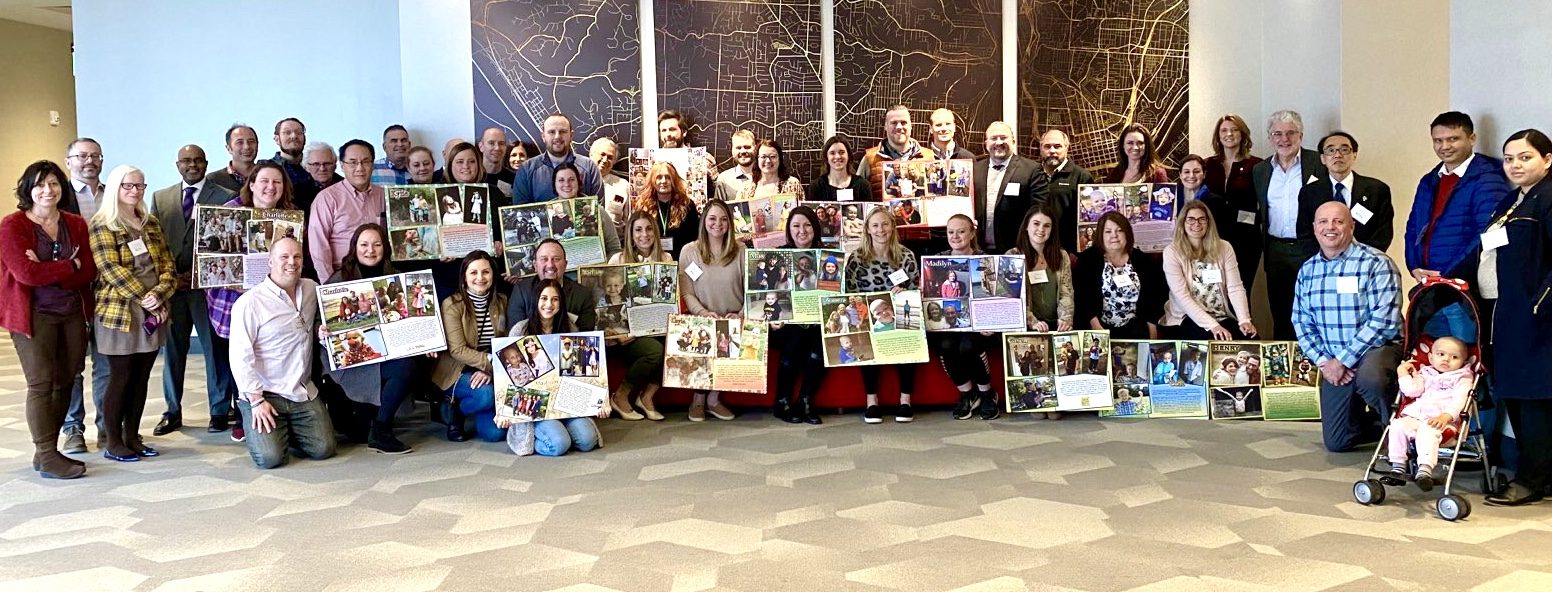
That bridge became visible in February 2020, when the Hepatoblastoma community came together at Cincinnati Children’s Hospital for its first community conference. Families met researchers and clinicians working on Hepatoblastoma, learned about emerging science and treatment strategies, and built relationships that extended beyond a single event.
The conference helped establish a model that would continue to grow: families should not be observers at the edge of pediatric cancer research. Their experiences can identify gaps, sharpen priorities and strengthen collaboration, while scientific decisions remain grounded in evidence and expert research.
Together, the 2019 publication, HRN launch and 2020 conference marked an important transition. FAR was no longer supporting a single research project. It was helping build an ecosystem around Hepatoblastoma; one where science, credible information and family connection could reinforce one another.
We learned very quickly that progress in a rare cancer cannot happen in silos. Researchers need collaborators. Families need credible information. Clinicians need ways to connect difficult cases and emerging ideas. Building those bridges became just as important as funding the science.
Cody Stiverson, Founder, Foundation for Addie’s Research
Keep the Work Moving
Explore current Hepatoblastoma research, treatment information and family resources through the Hepatoblastoma Resource Network. To help FAR continue funding promising Hepatoblastoma research, support the foundation, or subscribe for future research updates.
